When it comes to baking and cooking, flour is a staple ingredient that is often overlooked in terms of its nutritional value. However, the type of flour used can greatly impact the nutritional content of the final product. Two of the most common types of flour are whole wheat and white flour, each with its own set of characteristics and benefits. In this comparison, we will explore the differences between whole wheat and white flour, and provide a free printable worksheet to help you make informed decisions.
Whole wheat flour is made from the entire wheat grain, including the bran, germ, and endosperm. This means that it contains more fiber, vitamins, and minerals compared to white flour, which is refined and stripped of these nutrients. White flour, on the other hand, is often enriched with iron, thiamin, niacin, and folic acid, but it lacks the natural nutrients found in whole wheat flour. Understanding the differences between these two types of flour can help you make healthier choices in your daily life.
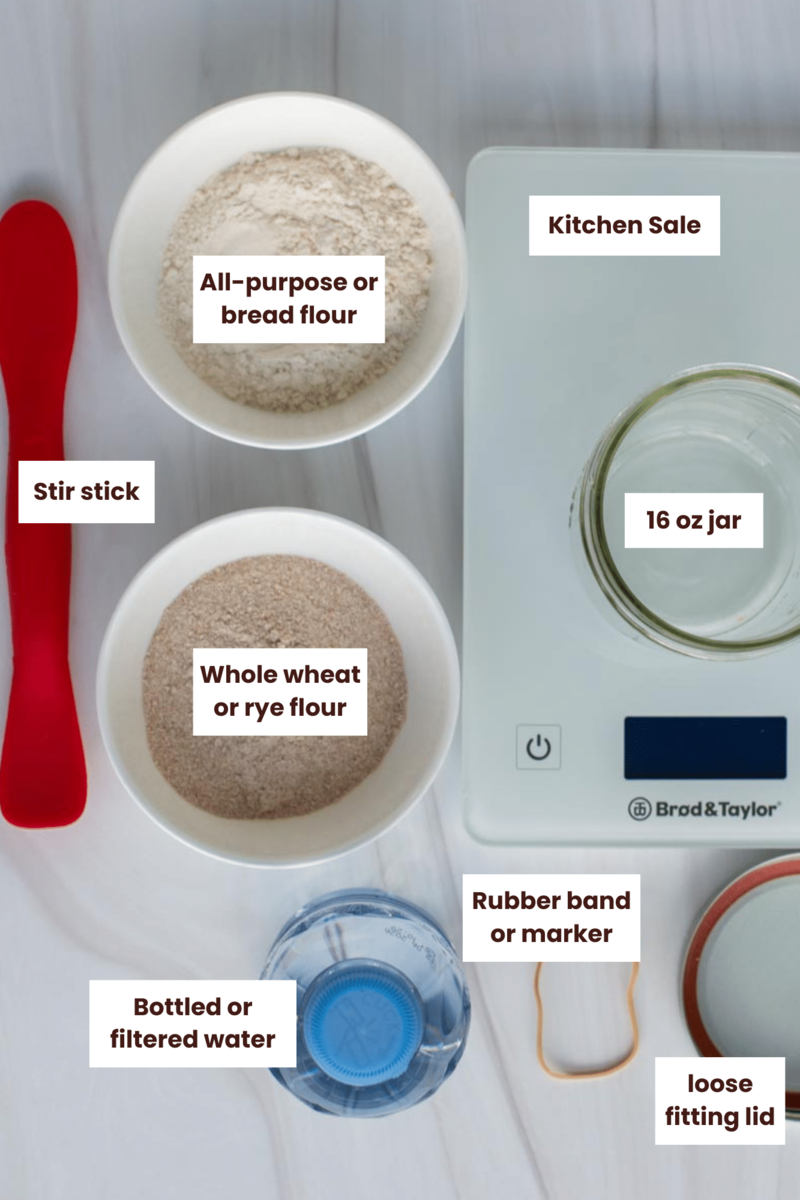
How To Make A Sourdough Starter Amy Bakes Bread
Understanding the Basics of Whole Wheat and White Flour
The basics of whole wheat and white flour are essential to understanding their nutritional benefits. Whole wheat flour contains more protein, fiber, and healthy fats compared to white flour. It also has a lower glycemic index, which means it can help regulate blood sugar levels. White flour, on the other hand, is often bleached and contains additives to improve its texture and shelf life. By understanding these basics, you can start to make informed decisions about which type of flour to use in your cooking and baking.

Quiz Worksheet Properties Of Flour Cereal Study
Nutritional Comparison: Whole Wheat Vs White Flour
A nutritional comparison between whole wheat and white flour reveals significant differences. Whole wheat flour is higher in fiber, vitamins, and minerals, while white flour is often fortified with iron and other nutrients. However, the processing of white flour can lead to a loss of natural nutrients and an increase in empty calories. Our free printable worksheet provides a detailed comparison of the nutritional benefits of whole wheat and white flour, making it easier to choose the healthier option.
Using the Free Printable Worksheet for Educational Purposes
The free printable worksheet provided can be a valuable tool for educational purposes. Teachers, parents, and health educators can use it to teach children and adults about the importance of nutrition and the differences between whole wheat and white flour. The worksheet can be used in a variety of settings, from classrooms to community centers, to promote healthy eating habits and informed decision-making. By using this worksheet, you can help others understand the benefits of whole wheat flour and make healthier choices in their daily lives.

Quiz Worksheet Properties Of Flour Cereal Study
In conclusion, the comparison between whole wheat and white flour is clear. Whole wheat flour offers more nutritional benefits and is a healthier choice for baking and cooking. By using our free printable worksheet, you can make informed decisions and promote healthy eating habits in yourself and others. Whether you are a parent, teacher, or health educator, this worksheet is a valuable resource for teaching others about the importance of nutrition and the benefits of whole wheat flour.

Quiz Worksheet Properties Of Flour Cereal Study
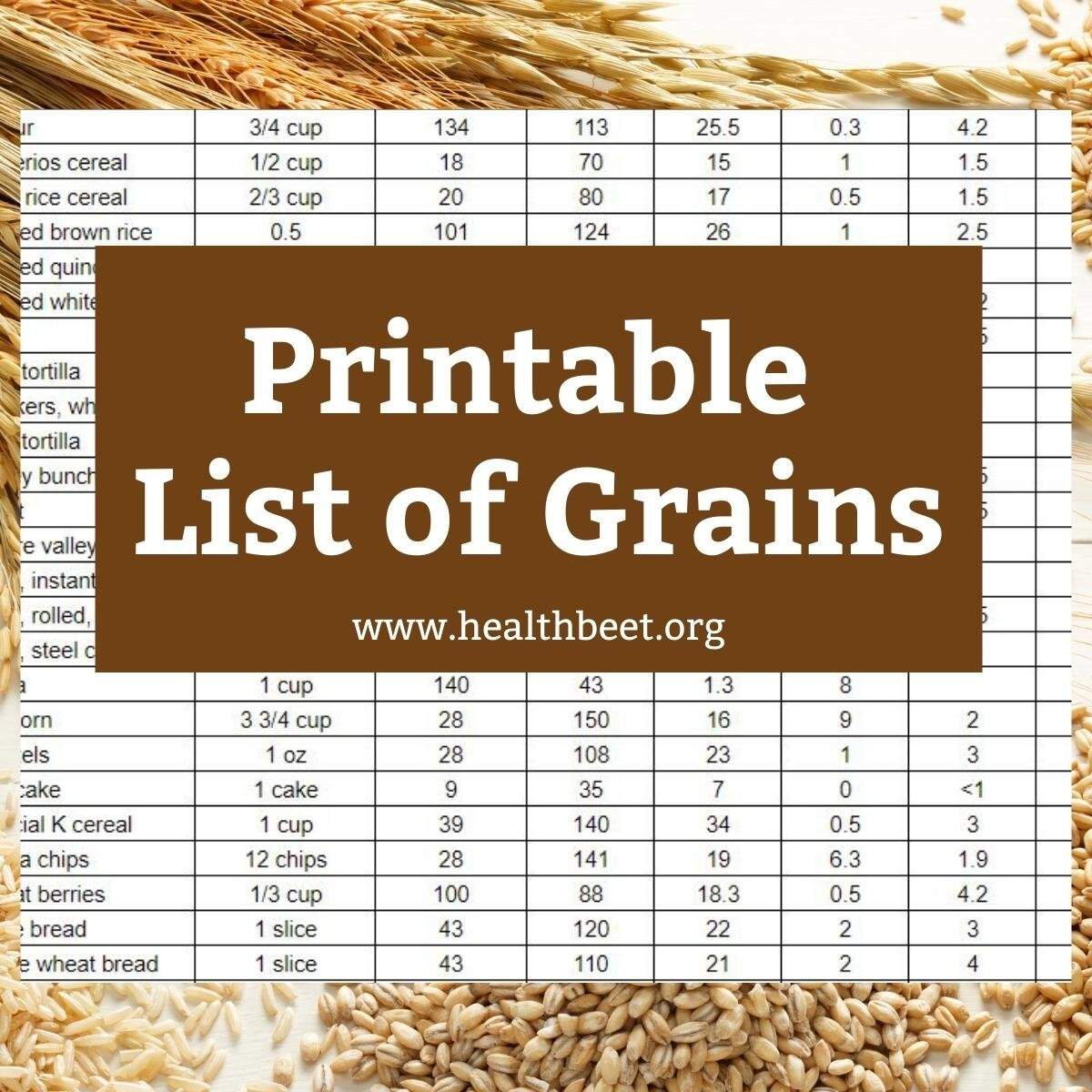
Using Whole Grains With Printable List Of Grains Health Beet