Reading and analyzing short stories is an essential part of any English language curriculum. It helps students develop critical thinking skills, understand different narrative techniques, and appreciate the art of storytelling. One effective way to enhance this learning experience is by using free printable short stories to compare and contrast story elements. This approach allows students to delve deeper into the world of literature, exploring the similarities and differences between various stories and their elements.
By using free printable short stories, educators can create a comprehensive and engaging lesson plan that caters to different learning styles. These stories can be used to teach various literary devices, such as plot, character development, theme, and symbolism. Moreover, comparing and contrasting story elements helps students develop their analytical skills, making them more proficient in identifying patterns, motifs, and authorial intent. This, in turn, enables them to craft well-informed arguments and write persuasive essays.
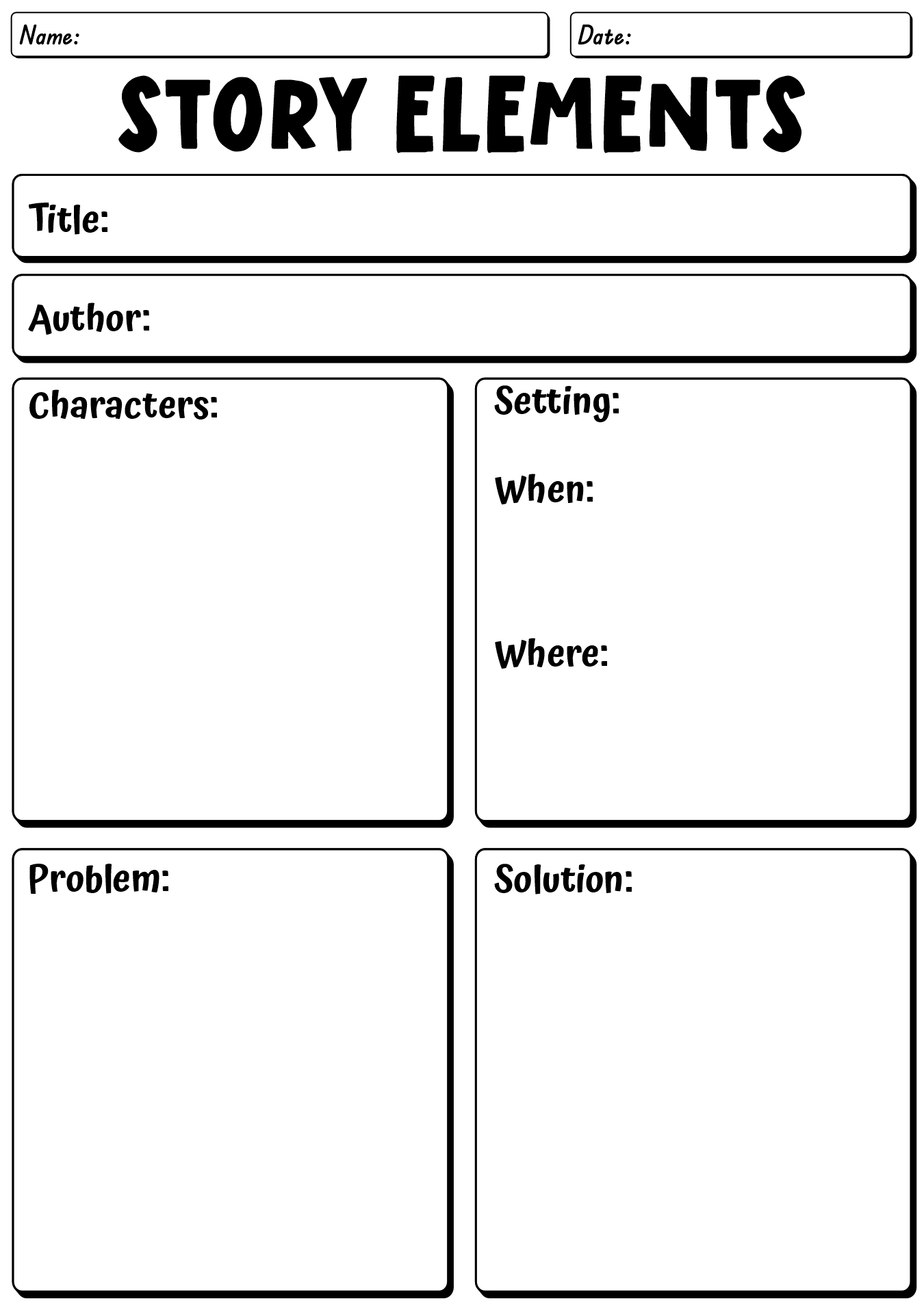
14 Short Story Elements Worksheet Free PDF At Worksheeto
Benefits of Using Free Printable Short Stories
The benefits of using free printable short stories are numerous. For one, they provide a cost-effective and convenient way to access a wide range of literary works. Additionally, these stories can be easily printed and distributed, making them an ideal resource for classroom activities. Teachers can use them to create customized worksheets, quizzes, and assessments that cater to the needs of their students. By leveraging free printable short stories, educators can create a more interactive and immersive learning environment that fosters a deeper appreciation for literature.
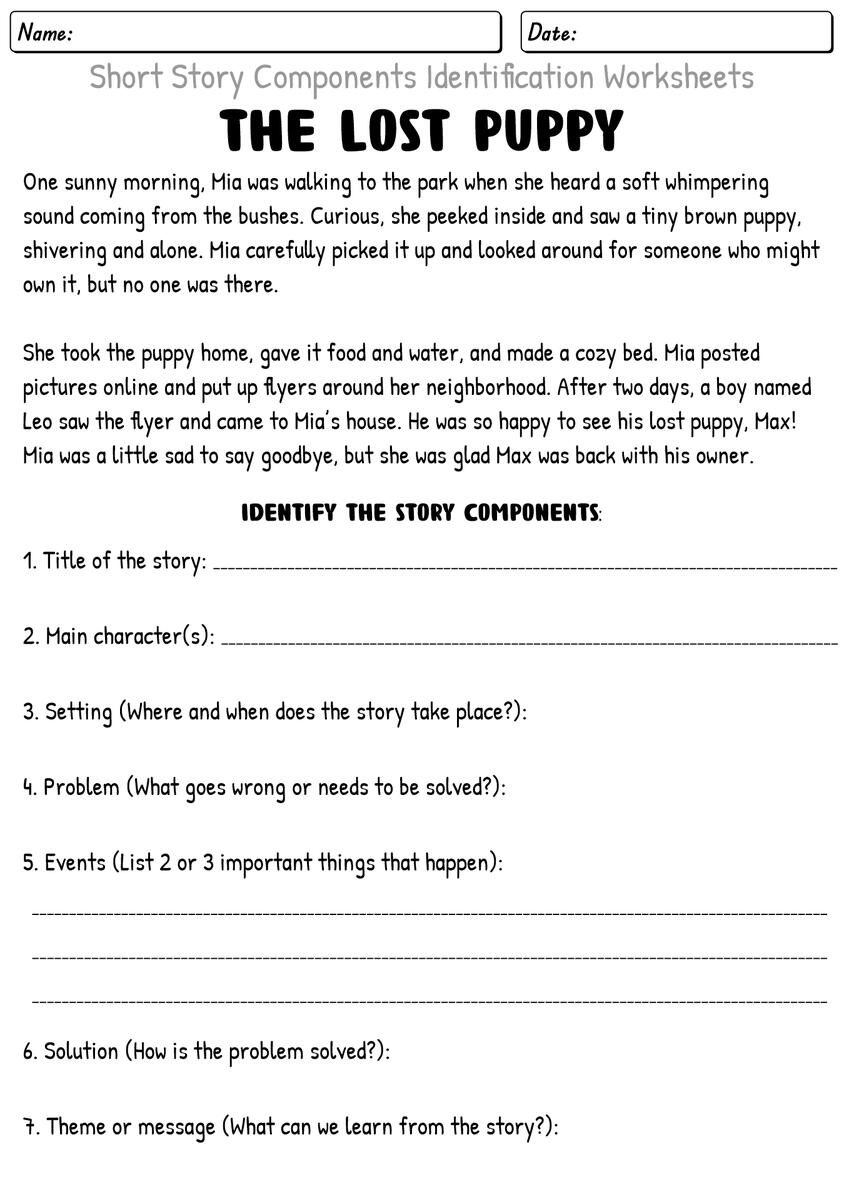
14 Short Story Elements Worksheet Free PDF At Worksheeto
How to Effectively Compare and Contrast Story Elements
To effectively compare and contrast story elements, students need to carefully read and analyze the stories, identifying the key elements that make up the narrative. This involves examining the plot, character arcs, themes, and literary devices used by the author. By using a worksheet to guide their analysis, students can systematically compare and contrast these elements, developing a more nuanced understanding of the stories and their underlying structures. This skill is essential for literary analysis, as it enables students to identify patterns, motifs, and authorial intent, making them more proficient readers and writers.
Tips for Creating Your Own Worksheet
Creating your own worksheet to compare and contrast story elements can be a straightforward process. Start by selecting a few short stories that share similar themes or elements, such as coming-of-age narratives or stories with magical realism. Then, identify the key elements that you want students to compare and contrast, such as character development, plot twists, or symbolism. Use these elements to create a worksheet with guided questions, prompts, and activities that encourage students to think critically about the stories. By providing a clear and structured approach, you can help students develop their analytical skills and deepen their understanding of literature.
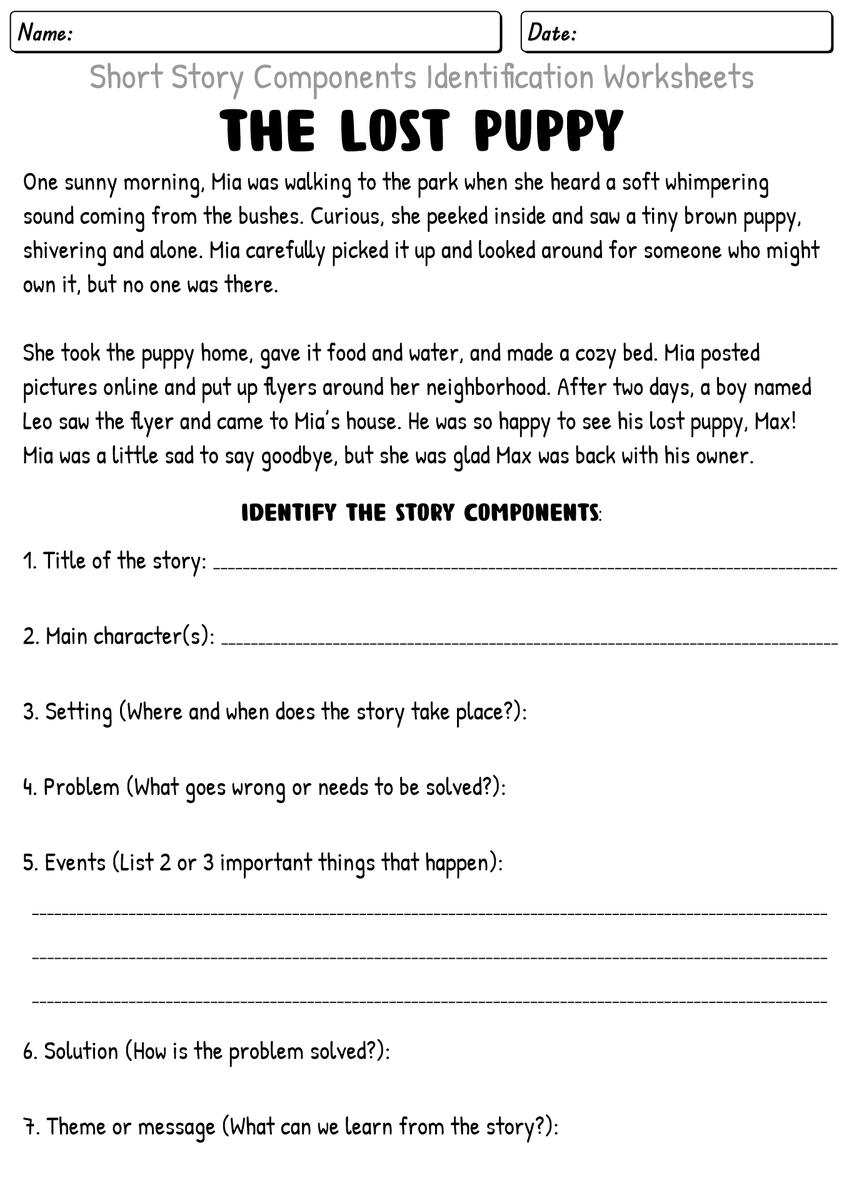
14 Short Story Elements Worksheet Free PDF At Worksheeto
In conclusion, free printable short stories to compare and contrast story elements worksheet is a valuable resource for educators and students alike. By leveraging this tool, teachers can create engaging and interactive lesson plans that cater to different learning styles, while students can develop their critical thinking skills, analytical abilities, and appreciation for literature. Whether you’re a teacher looking to enhance your curriculum or a student seeking to improve your literary analysis skills, this worksheet is an excellent starting point for exploring the world of short stories and their many wonders.
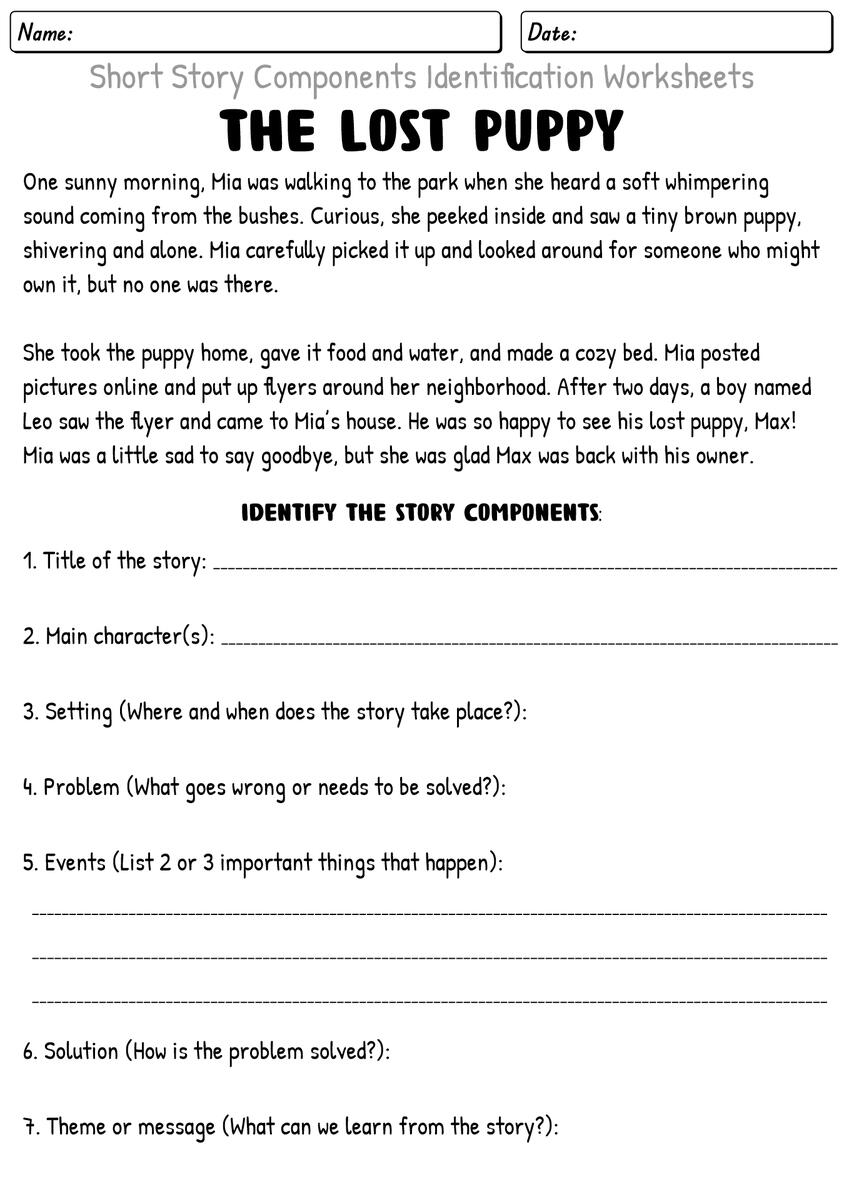
14 Short Story Elements Worksheet Free PDF At Worksheeto
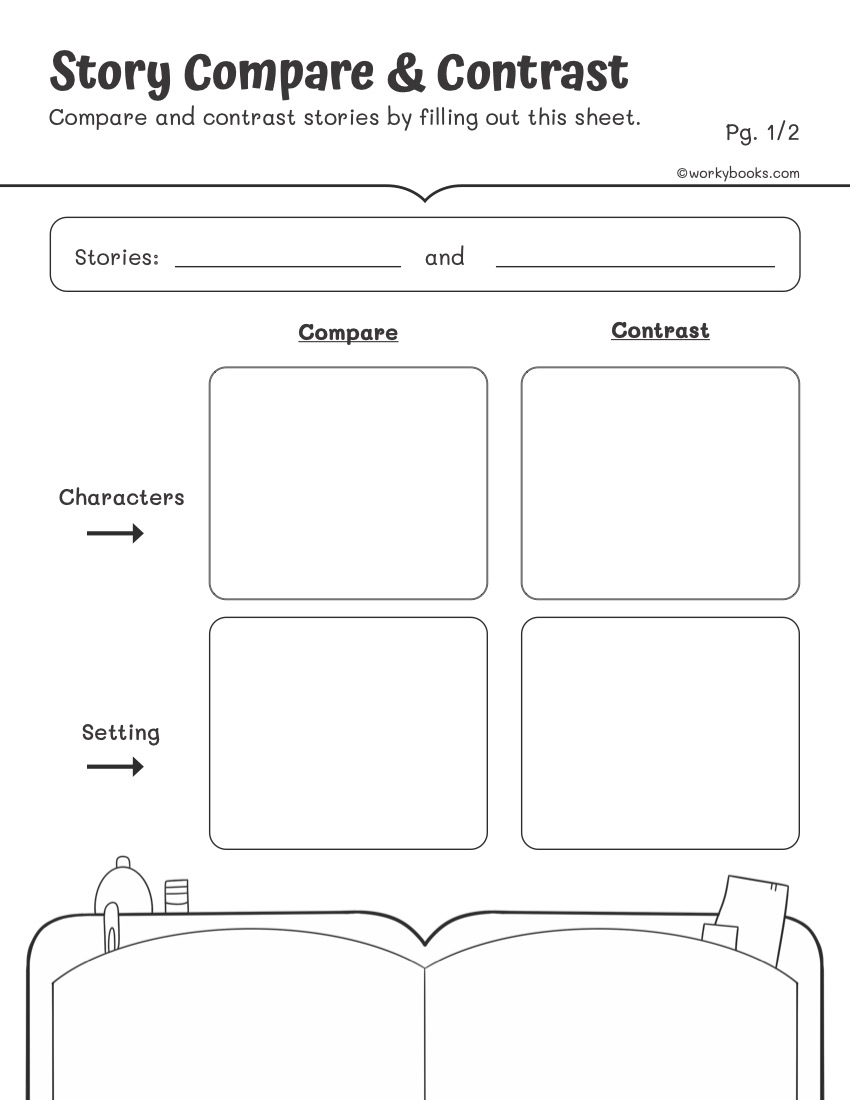
2nd Grade Compare And Contrast Worksheets Workybooks