The world is facing an increasing need to understand and manage its resources wisely. As the global population grows, so does the demand for energy, water, and other essential resources. Teaching the next generation about the differences between renewable and nonrenewable resources is crucial for a sustainable future. Renewable resources, such as solar and wind power, are replenished naturally and can be replenished quickly. On the other hand, nonrenewable resources, like coal and oil, take millions of years to form and are finite.
Educators play a vital role in shaping the minds of future generations and helping them understand the importance of sustainability. By incorporating lessons on renewable and nonrenewable resources into their curriculum, teachers can inspire students to think critically about the world’s resources and how they can contribute to a more sustainable future. Printable worksheets are an excellent tool for educators, providing a fun and interactive way to teach complex concepts in an engaging and accessible manner.
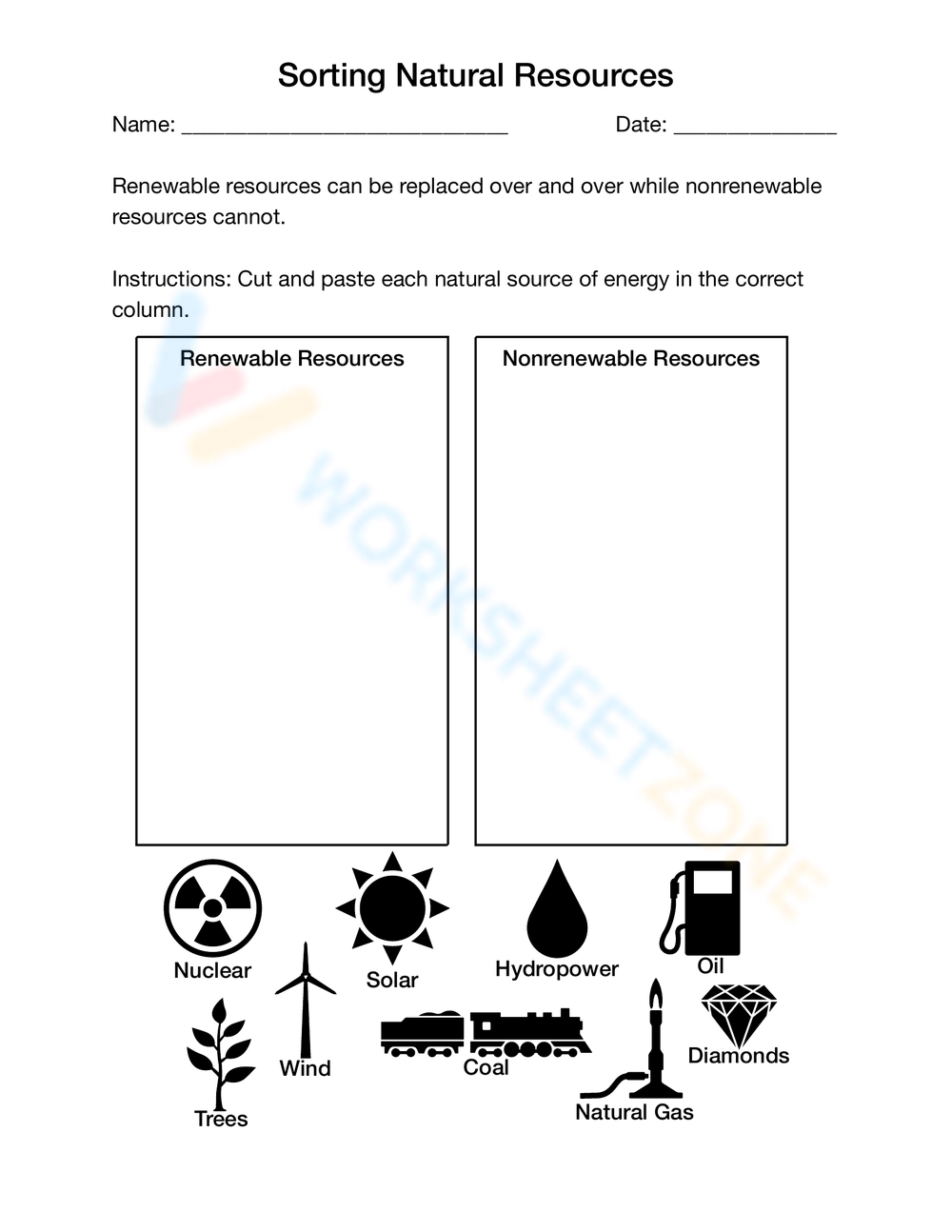
Printable Renewable And Nonrenewable Resources Worksheets
Understanding Renewable Resources
Renewable resources are a vital part of creating a sustainable future. These resources can be replenished naturally and are available in abundance. Examples of renewable resources include solar energy, wind power, hydro energy, and geothermal energy. Teaching students about renewable resources can help them understand the importance of reducing reliance on nonrenewable resources and promoting sustainable practices. With renewable and nonrenewable resources printable worksheets, educators can create engaging lesson plans that help students develop a deeper understanding of these concepts.
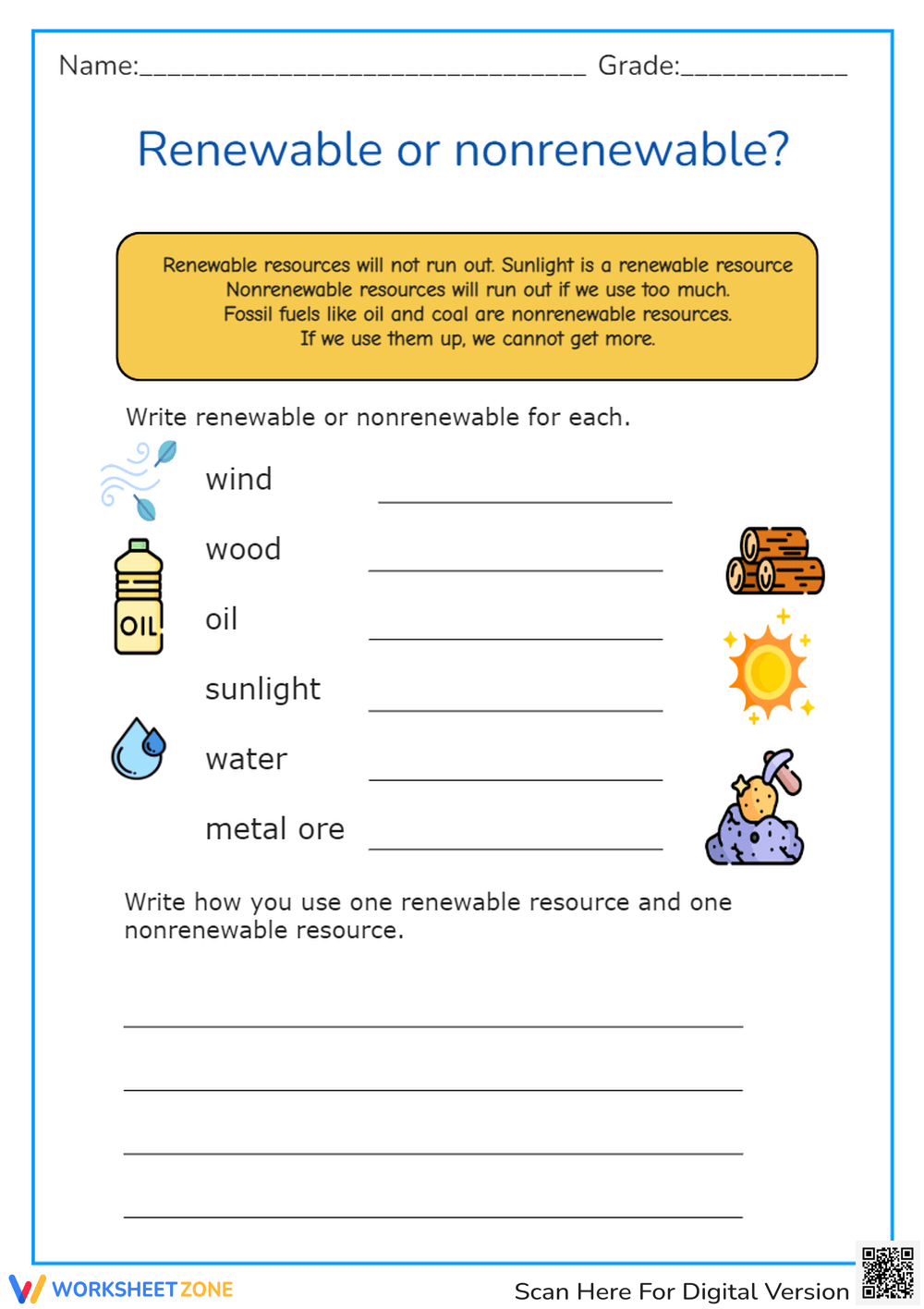
Printable Renewable And Nonrenewable Resources Worksheets
Exploring Nonrenewable Resources
Nonrenewable resources, on the other hand, are finite and take millions of years to form. Examples of nonrenewable resources include coal, oil, and natural gas. These resources are commonly used for energy production, but their use contributes to climate change and environmental degradation. Educators can use printable worksheets to help students understand the limitations and consequences of relying on nonrenewable resources. By exploring the differences between renewable and nonrenewable resources, students can develop a more nuanced understanding of the world’s energy needs and the importance of sustainable practices.
Incorporating Printable Worksheets into Lesson Plans
Incorporating printable worksheets into lesson plans is an effective way to teach students about renewable and nonrenewable resources. These worksheets can be tailored to different age groups and learning styles, making them a versatile tool for educators. With printable worksheets, teachers can create interactive and engaging lessons that help students develop critical thinking skills and a deeper understanding of sustainability concepts. By using renewable and nonrenewable resources printable worksheets, educators can inspire students to become more environmentally aware and promote sustainable practices in their daily lives.
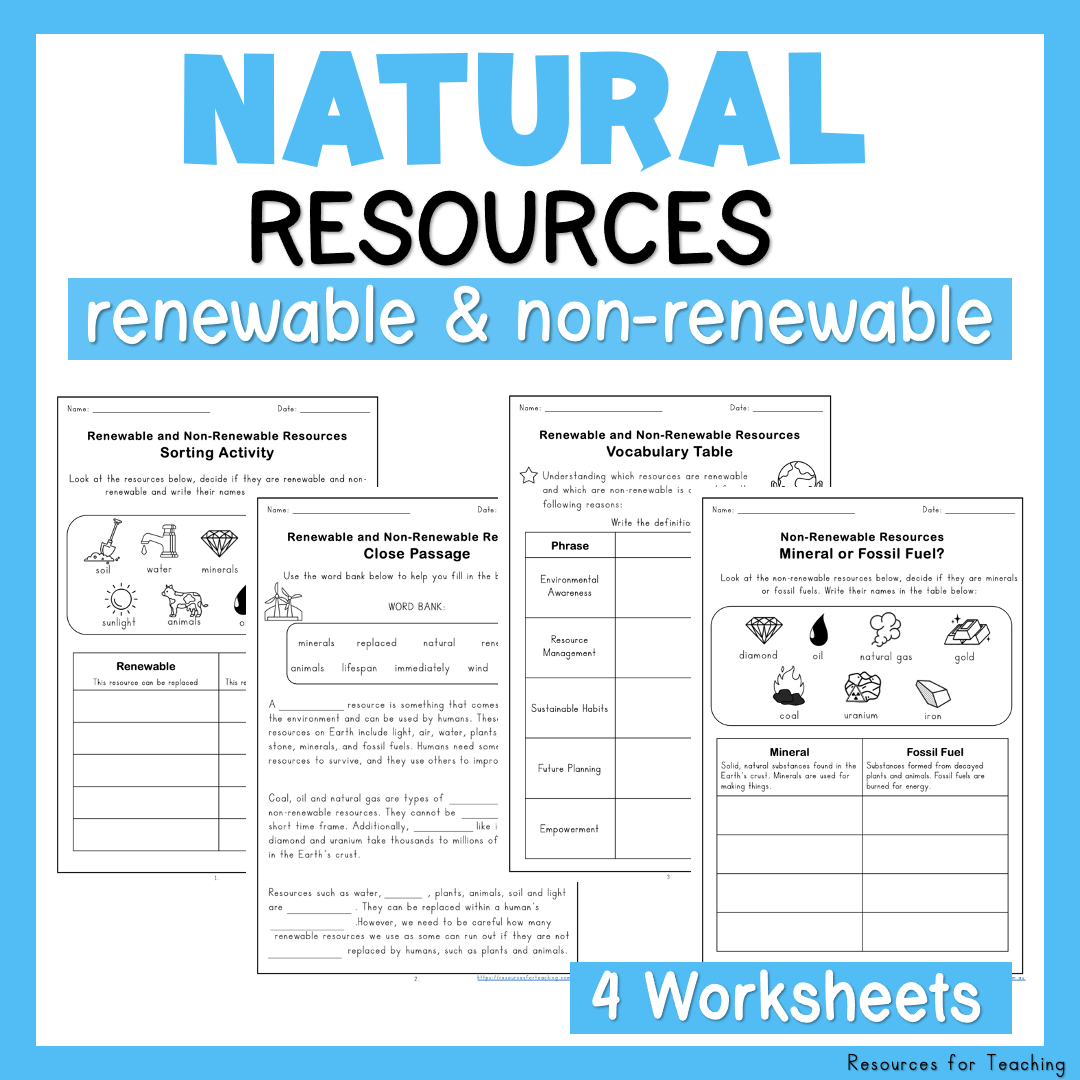
Natural Resources Renewable And Non Renewable Resources For Teaching Australia
By teaching students about renewable and nonrenewable resources, educators can empower the next generation to make informed decisions about the world’s resources. With the help of printable worksheets, teachers can create engaging and interactive lessons that promote sustainability and environmental awareness. As students develop a deeper understanding of these concepts, they can become active participants in creating a more sustainable future. By working together, educators and students can promote a culture of sustainability and ensure a brighter future for generations to come.
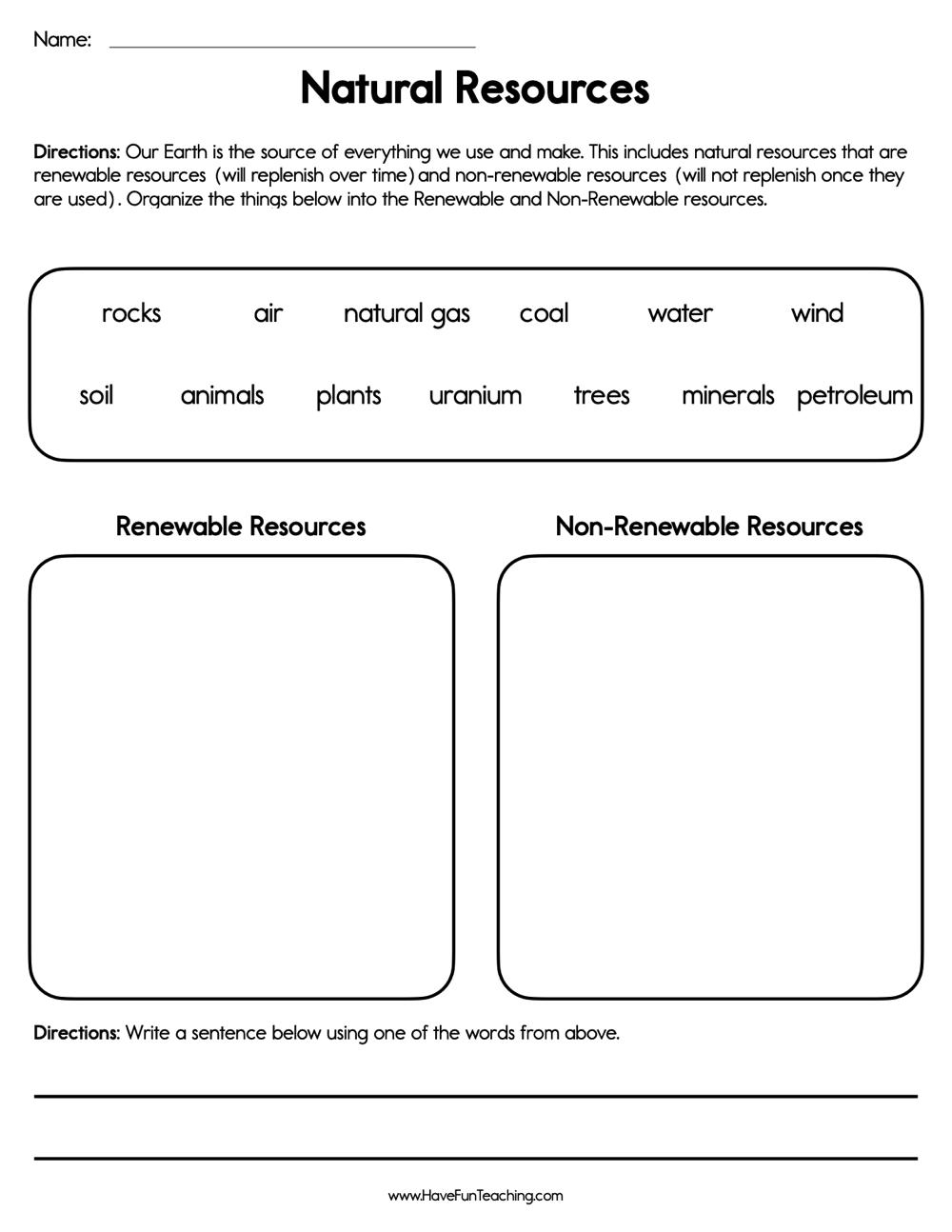
Natural Resources Sorting Worksheet Have Fun Teaching
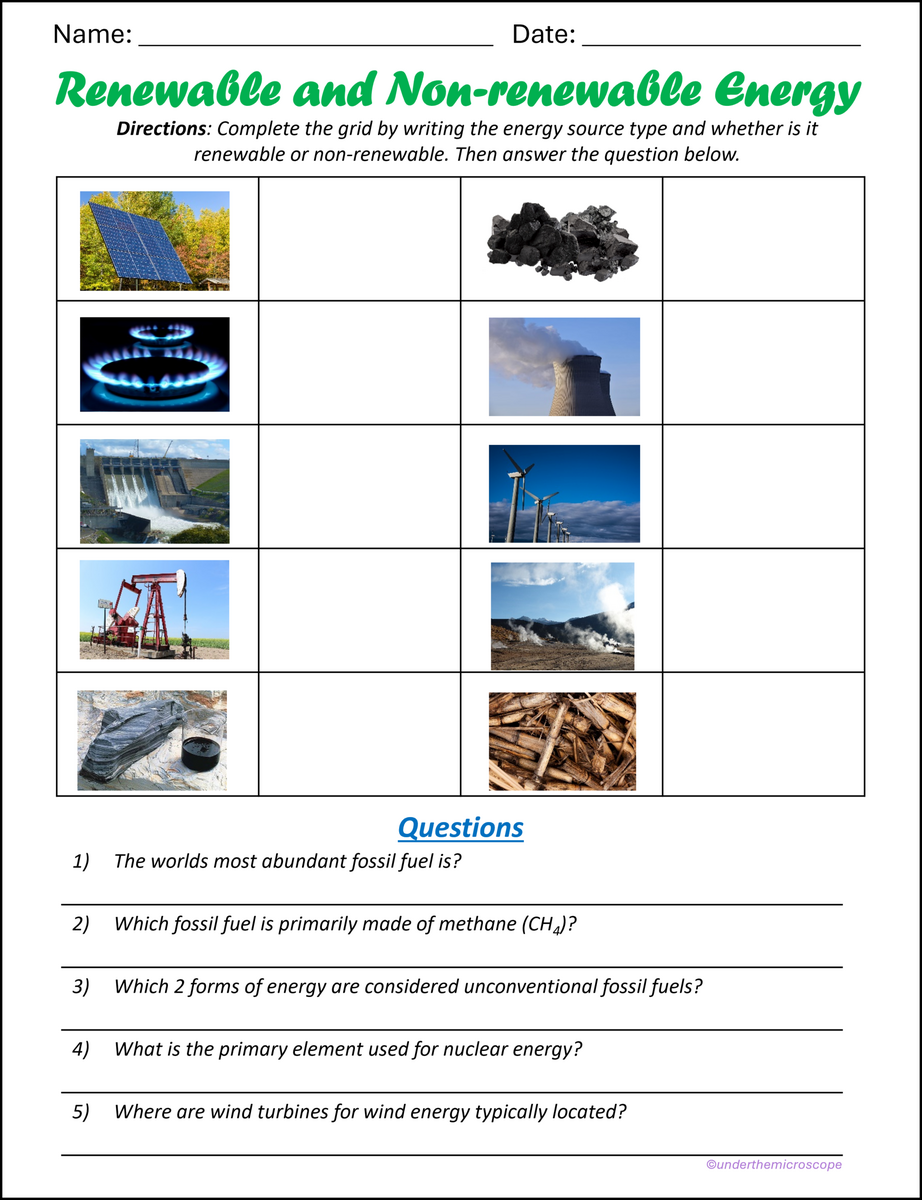
Renewable And Nonrenewable Energy Worksheets PDF Classful